Expanding support for livestock entrepreneurs in Uzbekistan
Published 04.03.2026
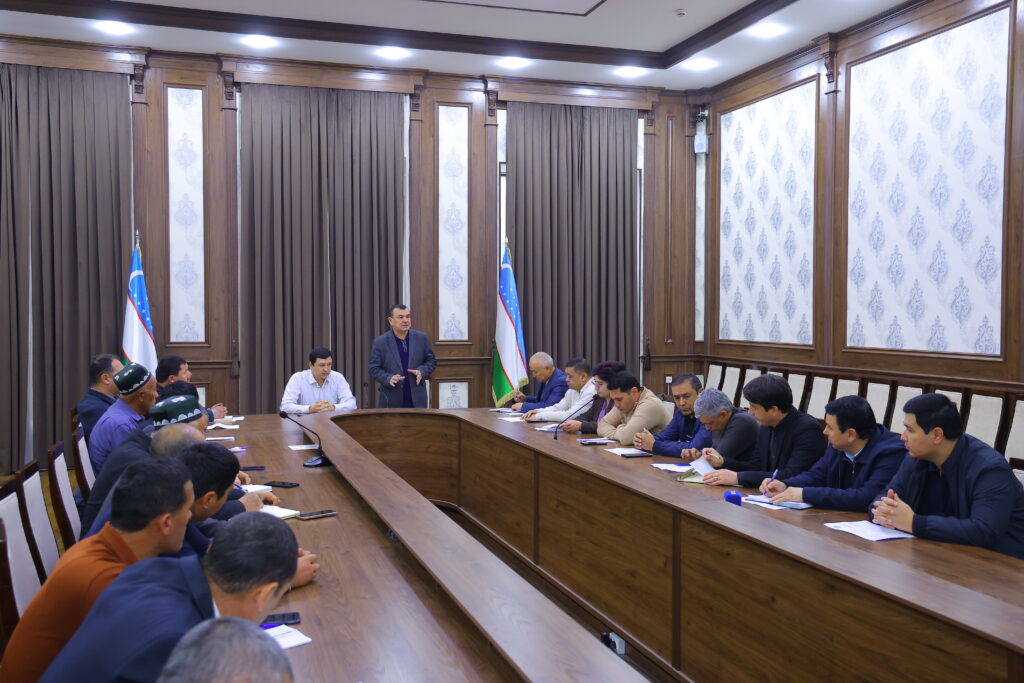
On March 4, a press conference was held in Namangan to discuss the project “Financing Sustainable Development of the Livestock Sector.” This initiative is being implemented by the Committee for Veterinary and Livestock Development in partnership with the French Development Agency (AFD), following Presidential decrees aimed at advancing the industry.
The event featured a presentation on the project’s key priorities, financial support mechanisms available to entrepreneurs, and the progress achieved during the current implementation phase. A particular focus was placed on the opportunities created for empowering women and youth in entrepreneurship.
With a total value of €100 million, this strategic project spans from 2022 to 2026. Its primary goal is to modernize the livestock industry through advanced technologies, enhance productivity, and promote a “green” economy while addressing the challenges of climate change.
Under the project framework, entrepreneurs are offered funding up to the national currency equivalent of €100,000 for a 10-year term, including a 3-year grace period. A cornerstone of this support is the grant mechanism: once a project becomes operational, up to 30% of the loan amount is reimbursed to the entrepreneur as a grant. Furthermore, women-led initiatives and young entrepreneurs under the age of 24 are eligible for enhanced incentives, with total grants potentially reaching 40% of the loan value.
The allocated grant funds are specifically earmarked for “green” initiatives within the livestock sector. Key priorities include modernizing meat and dairy processing facilities, producing high-quality animal feed, developing intensive aquaculture, and constructing energy-efficient livestock and poultry complexes. Significant emphasis is also placed on expanding beekeeping, installing solar panels and drip irrigation systems, and modernizing agricultural machinery.
The press conference provided a comprehensive overview of the progress achieved within the project framework. To date, 321 small-scaleprojects have been financed, resulting in the creation of 3,085 new jobs and providing employment for 825 women. To enhance professional expertise, 1,256 specialists—including 243 managers and 1,013 veterinarians—have undergone advanced training based on international standards.
A modern remote disease tracking system (online monitoring) has been introduced to the veterinary sector. This technology enables real-time monitoring of the epizootic situation across the country, allowing for rapid and effective responses to potential risks.
Ultimately, this project serves as a vital social mechanism, not only boosting entrepreneurial activity but also actively integrating women into the business sector. Such a systematic approach is laying the foundation for sustainable job creation and long-term income sources for the population in various regions.